
Paris Le Marais Musée Carnavalet & Maison de Victor Hugo Guided Tour
Discover the history of Paris and the life of Victor Hugo on one guided tour of two museums in the Marais: the Musée Carnavalet – Histoire de Paris and the Maison de Victor Hugo.
Tour at a glance
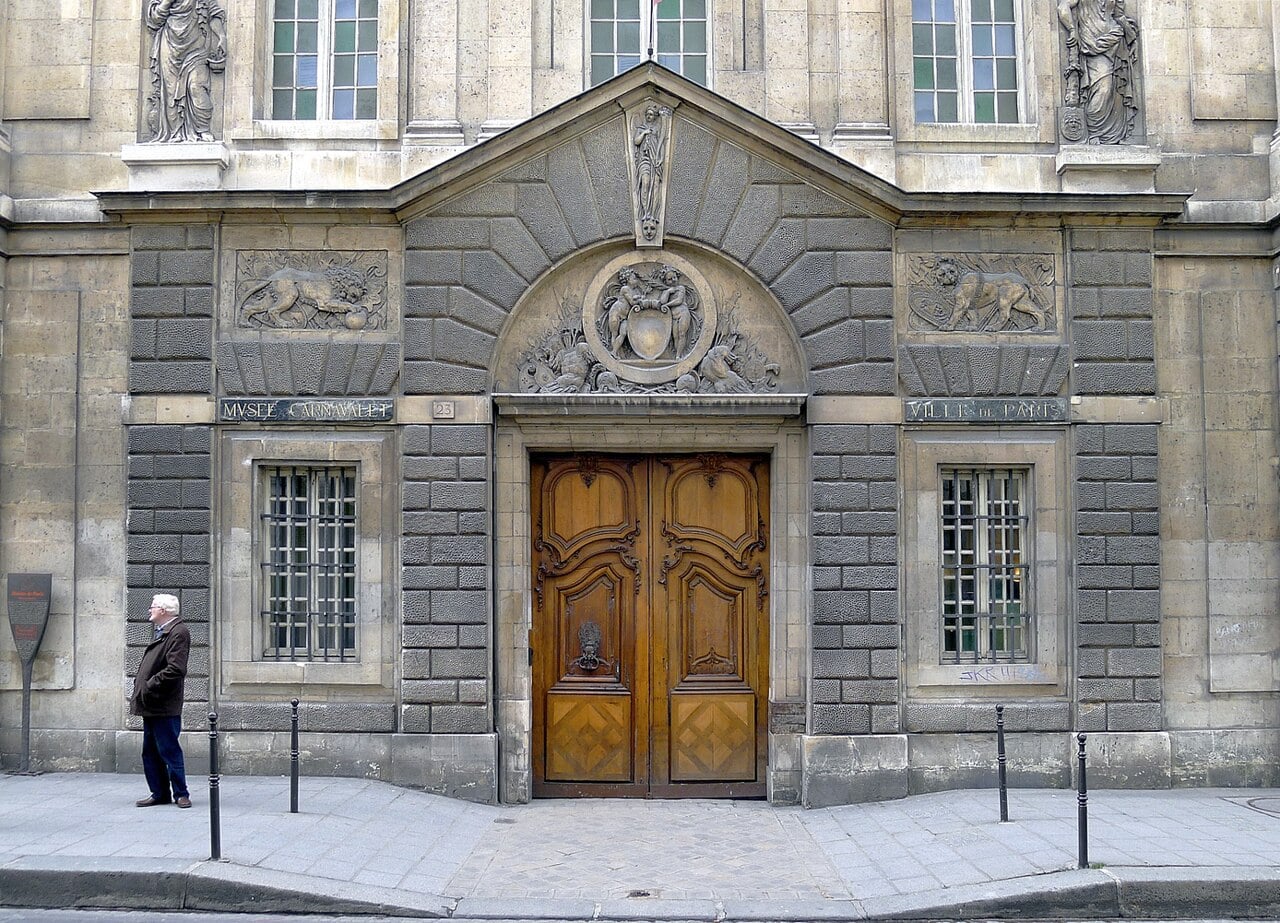
- Start: visitor entrance of the Musée Carnavalet, 23 rue de Sévigné, 75003 Paris
- End: Maison de Victor Hugo, 6 place des Vosges, 75004 Paris
- Duration: 2 hours and 45 minutes
Musée Carnavalet – Histoire de Paris
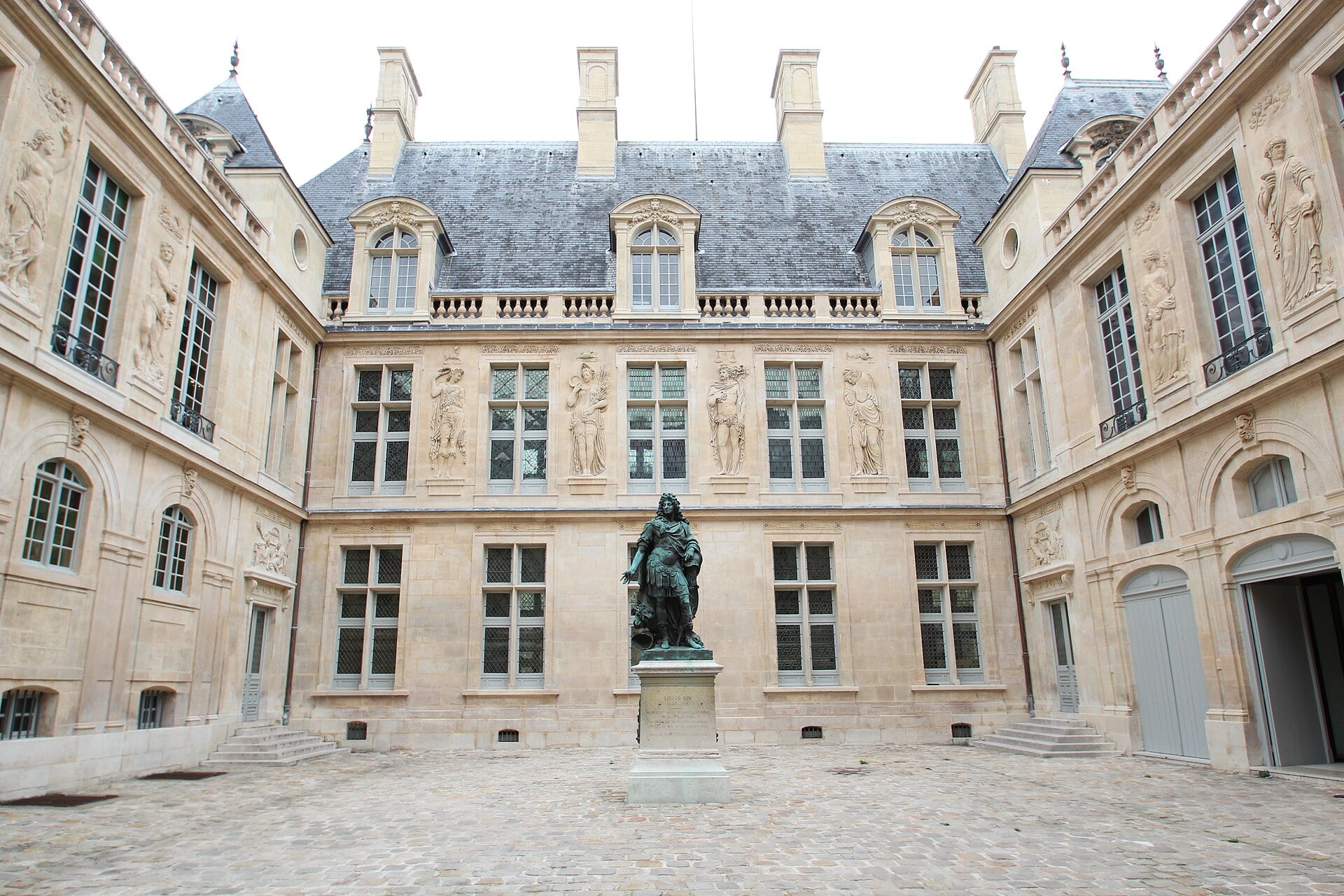
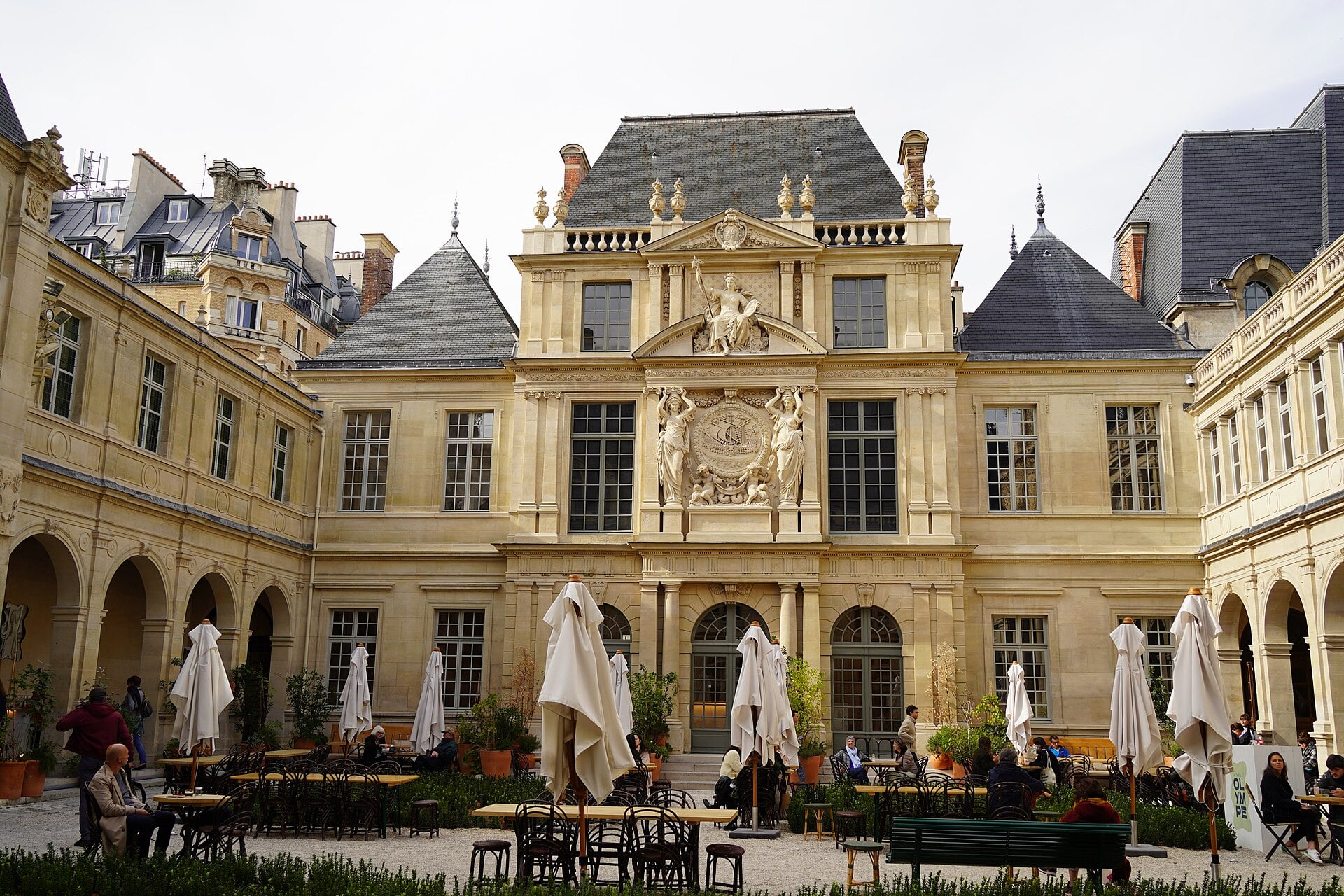
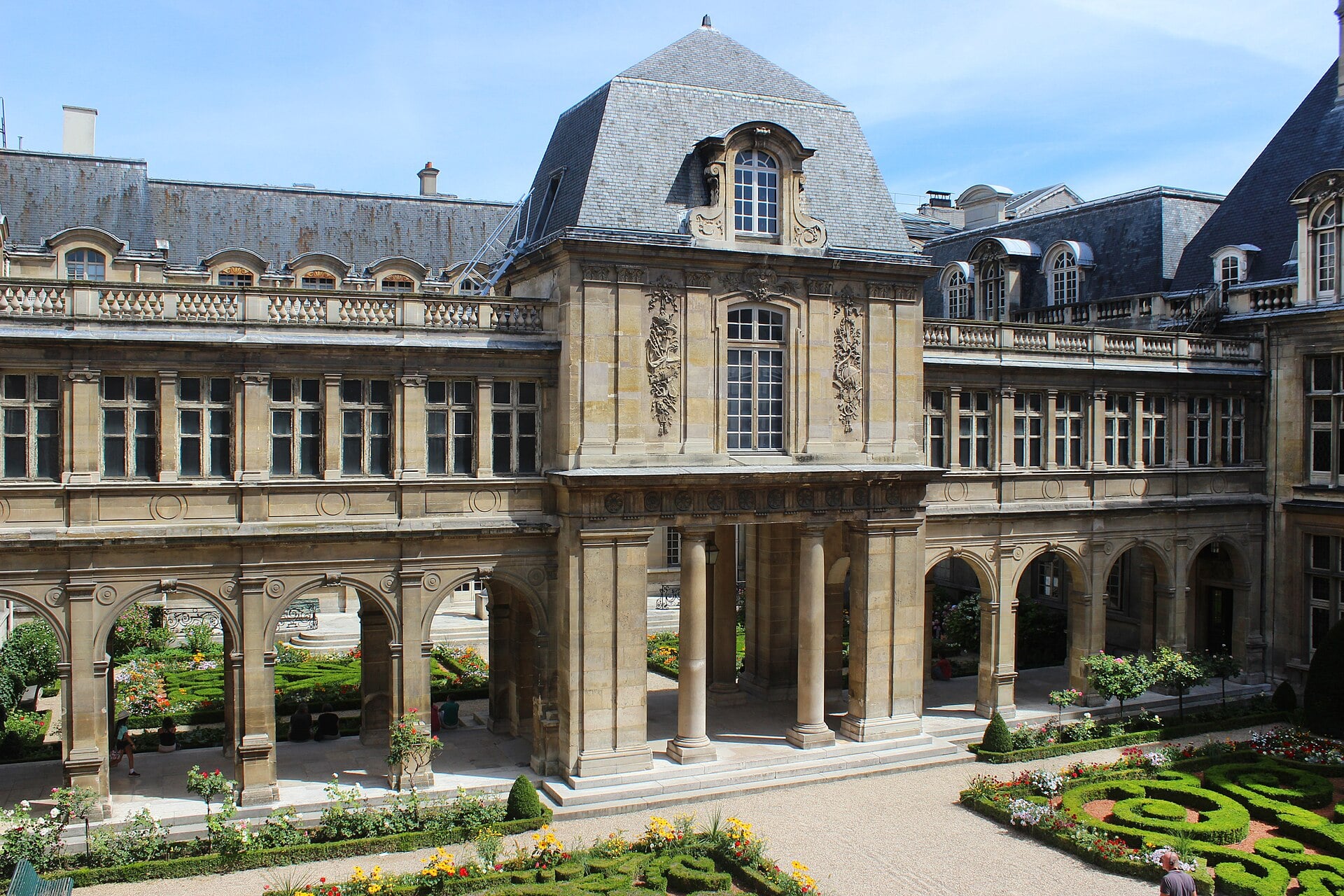
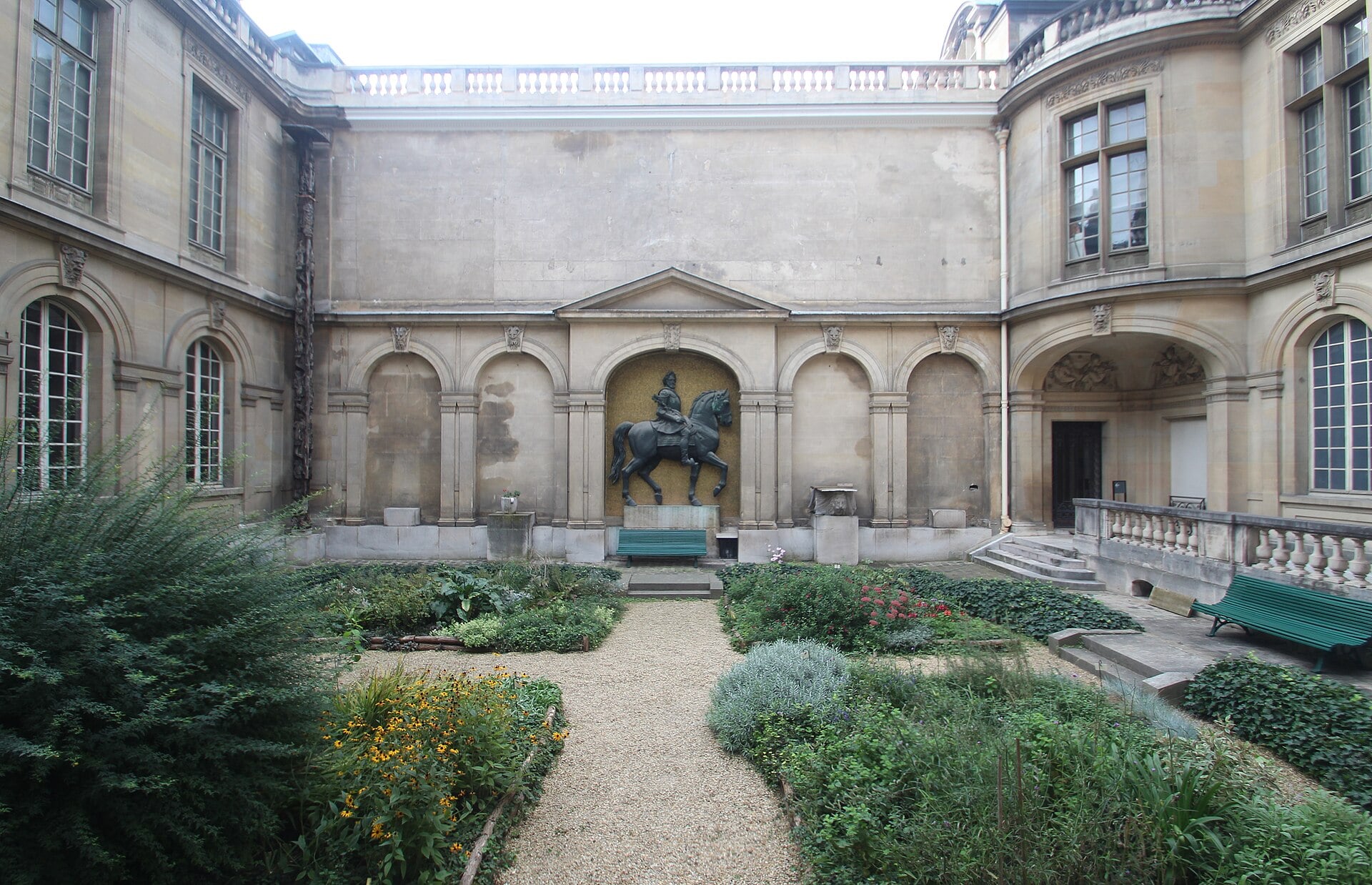
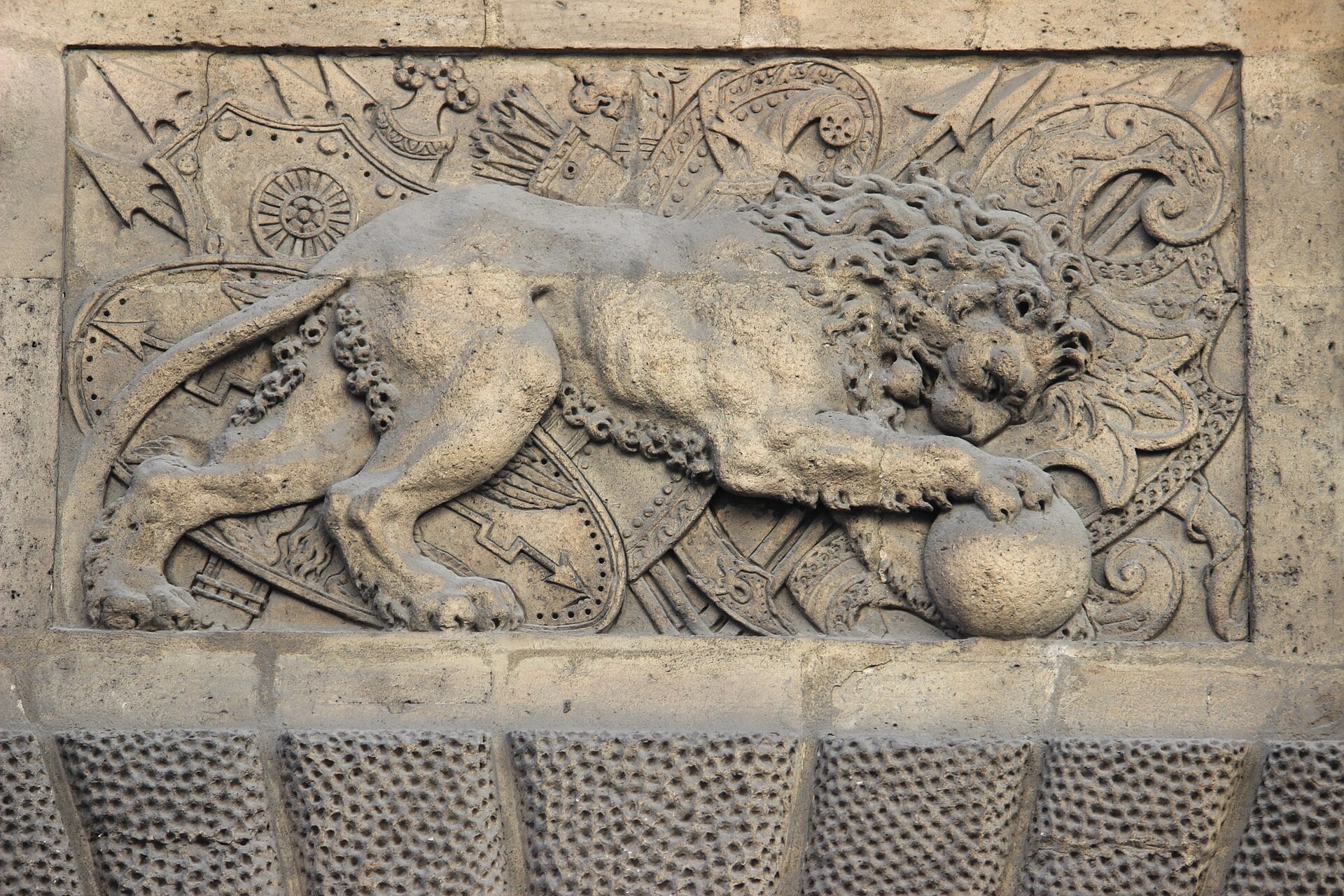
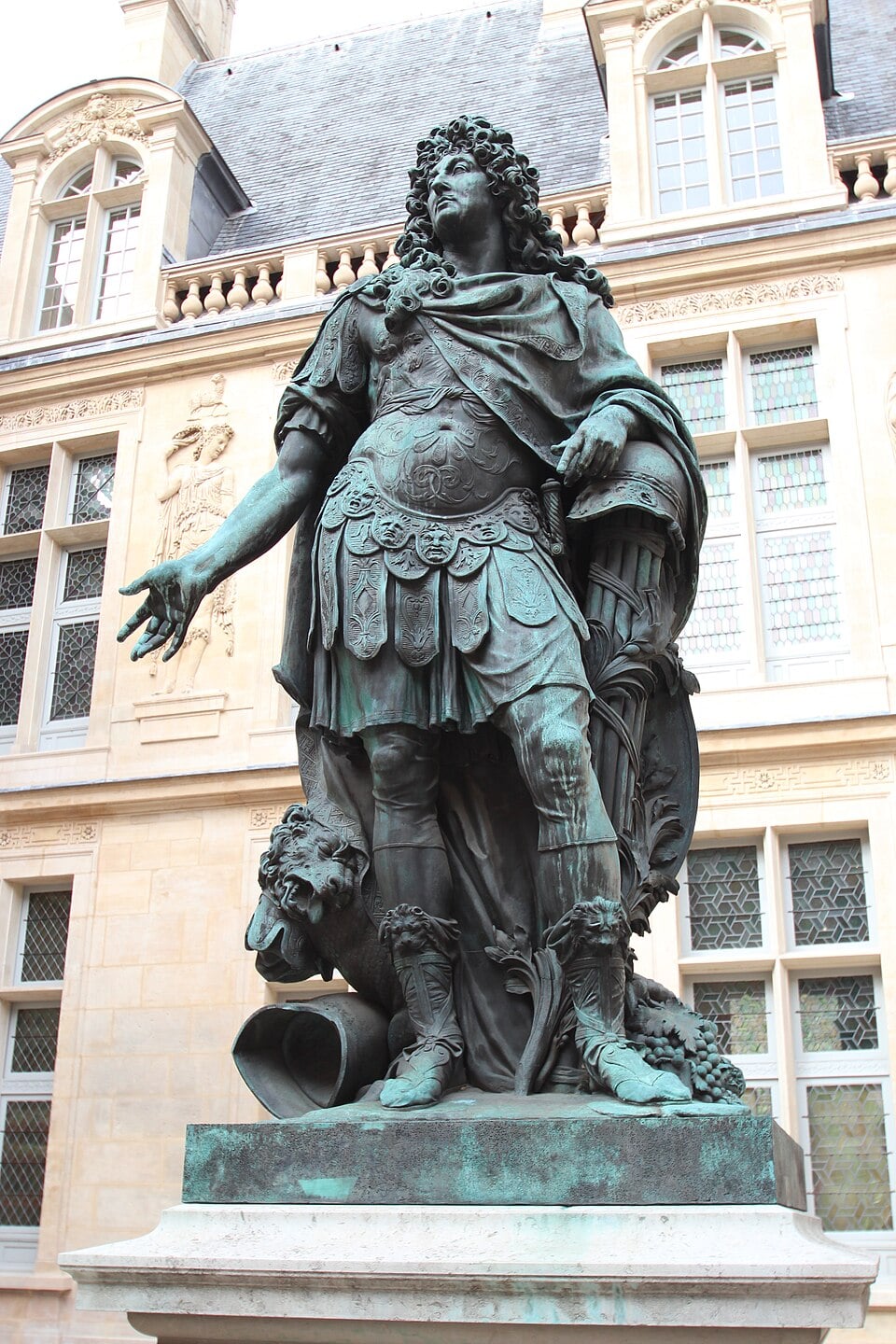
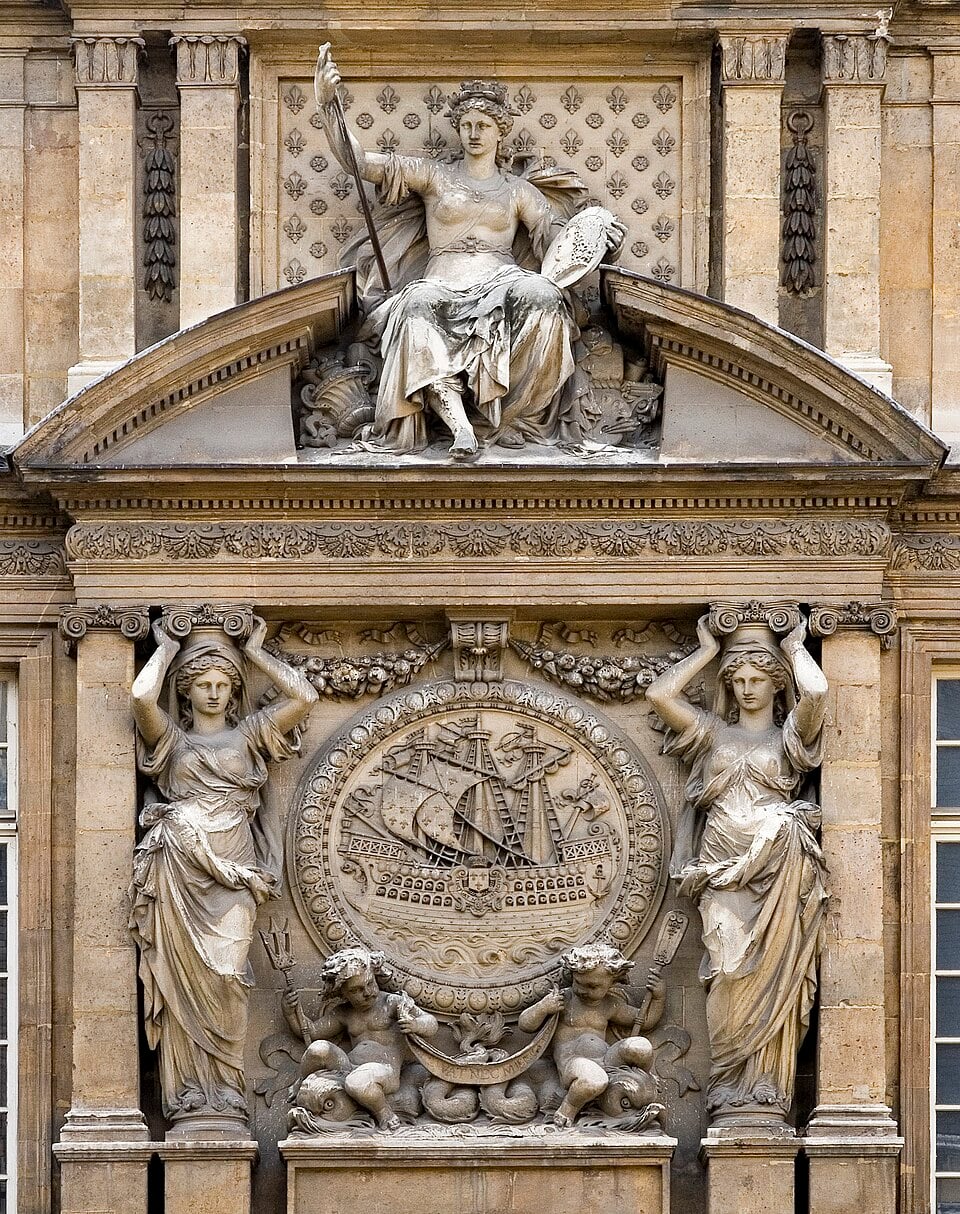
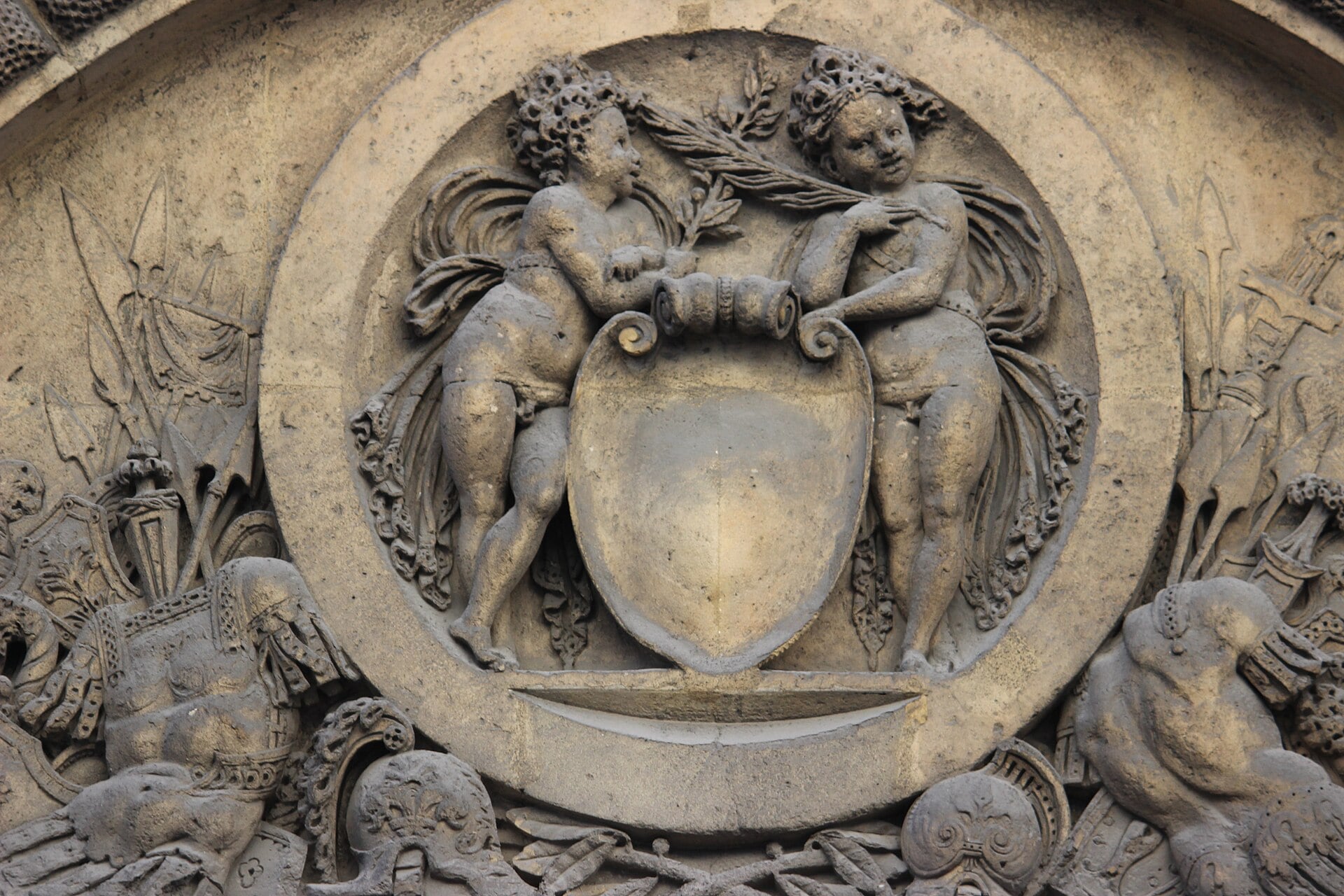
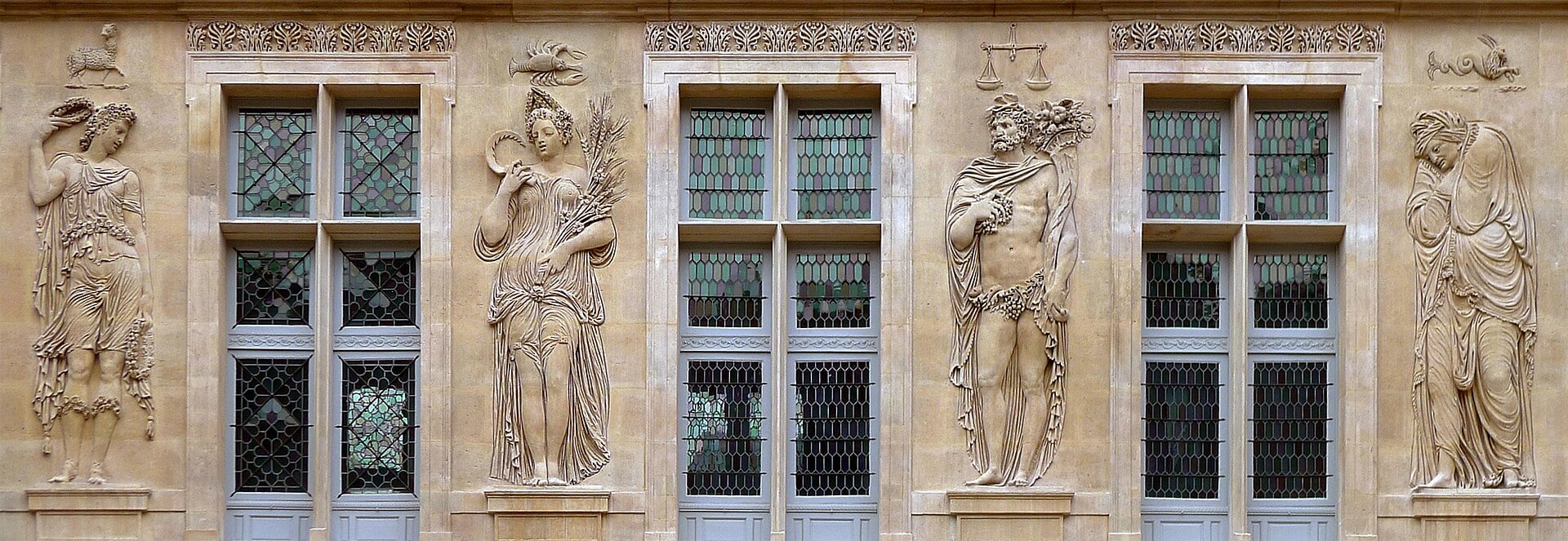
The Musée Carnavalet is the oldest museum of the City of Paris. It opened to the public on 25 February 1880 and occupies two private mansions: the Hôtel Carnavalet, built between 1548 and 1560, and the Hôtel Le Peletier de Saint-Fargeau, built between 1688 and 1690 and annexed to the museum in 1989. The permanent route presents more than 3,800 works and decors, from Prehistory to the present day. Your guide selects key pieces to tell the story of the city: Gallo-Roman Lutetia, Madame de Sévigné, the Enlightenment, the French Revolution (the museum holds the largest ensemble in the world of works and objects from 1789 to 1799, according to its own presentation), Haussmann's Paris, the Commune and the Belle Époque.
Maison de Victor Hugo
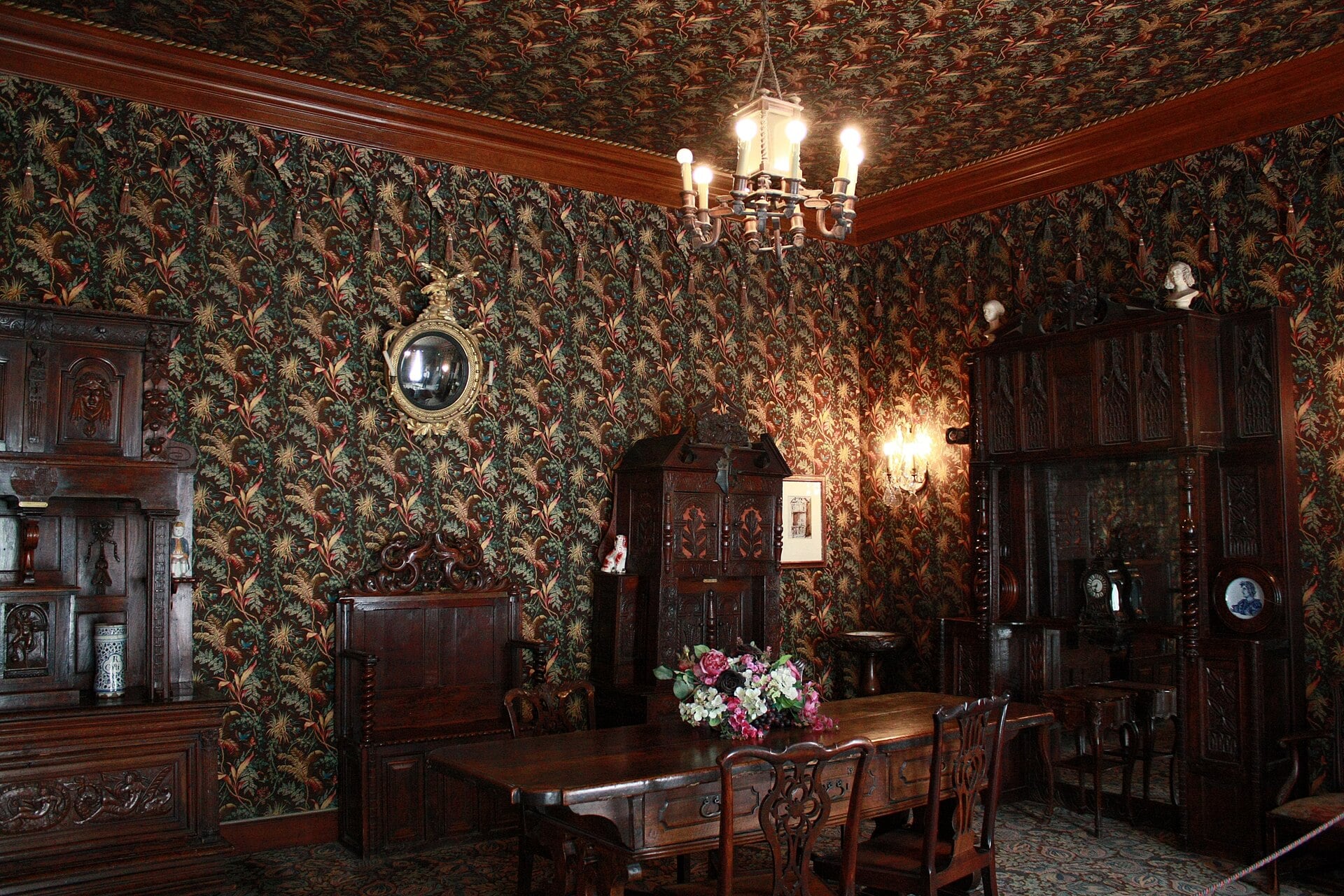
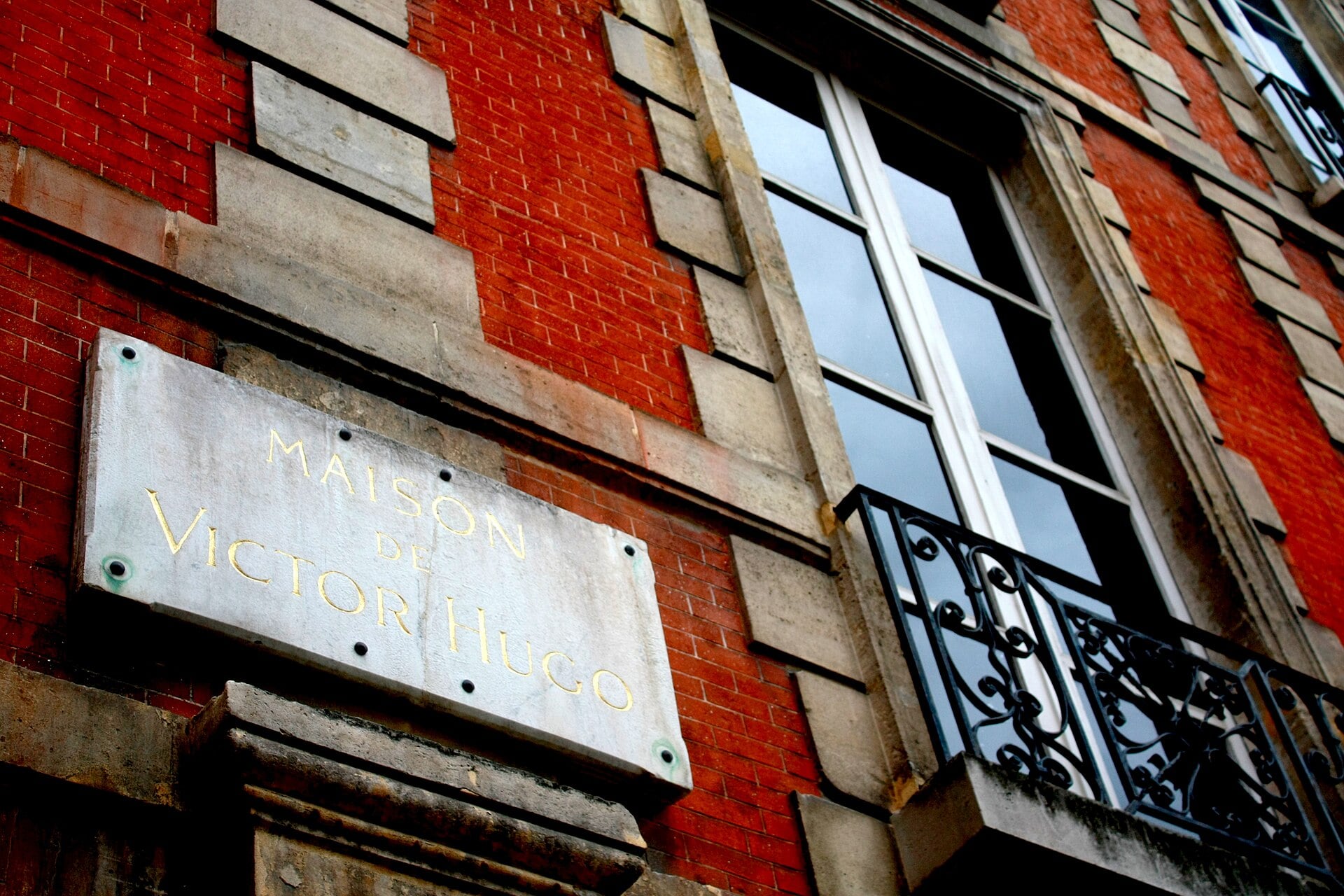
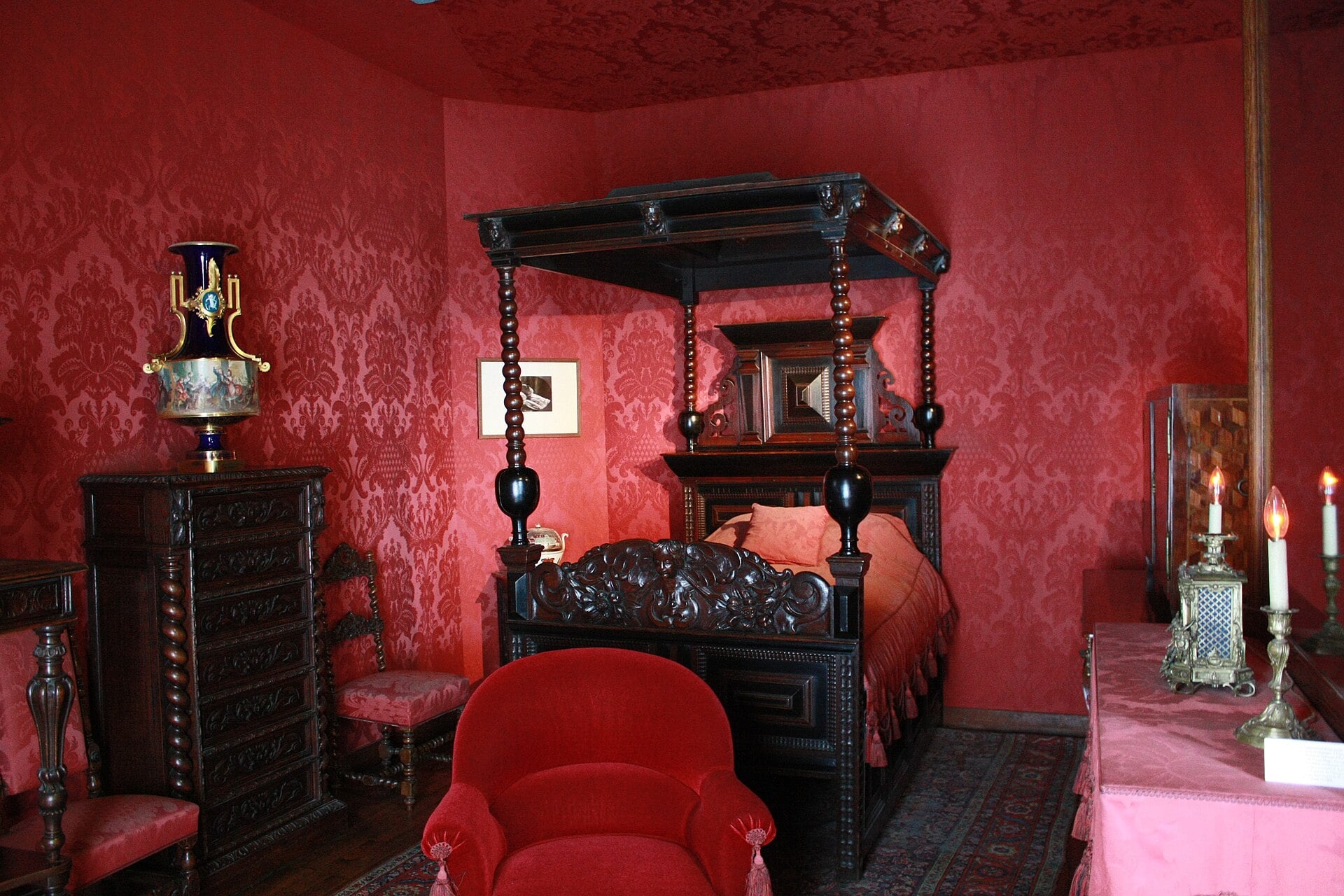
Victor Hugo rented the second-floor apartment at 6 place Royale, now place des Vosges, from 1832 to 1848. It became a museum inaugurated on 30 June 1903. Its rooms follow his life in three chapters (before exile, during exile and after his return) through furniture, objects and artworks that he created, owned or that evoke his writings. Highlights include the red salon, the Chinese salon whose decor Hugo designed in 1863–1864 for Juliette Drouet's house in Guernsey, his Gothic-style dining room, his study and the reconstruction of his last bedroom. In this apartment Hugo wrote works including Ruy Blas and began the first version of Les Misérables, then titled Les Misères.
Two museums, one story
Victor Hugo appears at both sites. At the Carnavalet he is shown among the Romantic writers of Paris, and a display covers his national funeral and burial in the Panthéon. At the Maison de Victor Hugo you walk through the rooms where he lived and worked.